
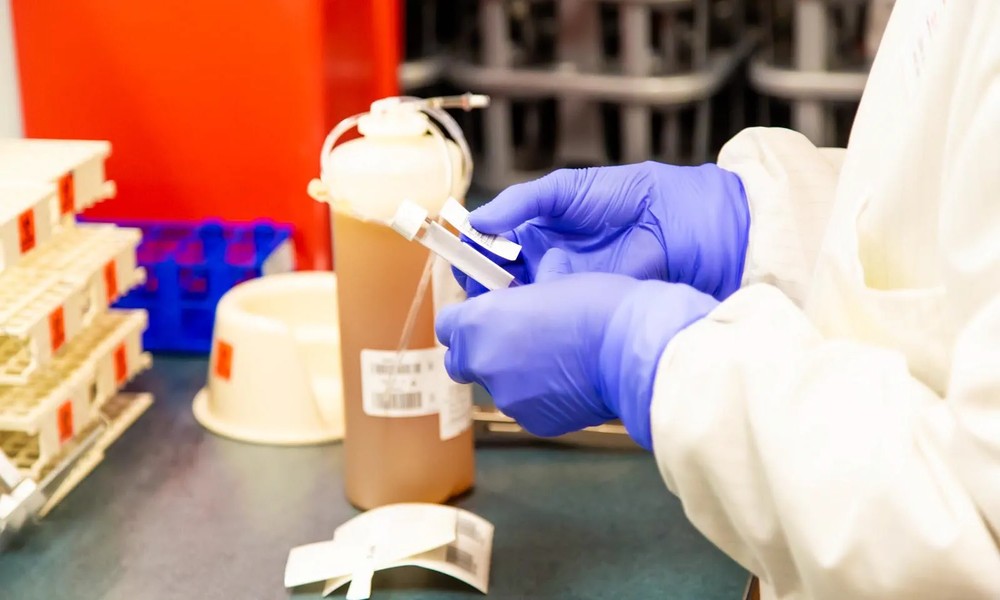
Plasma donation often sits quietly in the background of modern healthcare. Many people know it exists, but few understand how plasma centers operate or why donated plasma is so critical to everyday medical treatment. Behind the doors of these centers is a carefully regulated system that supports therapies used by thousands of patients who rely on plasma-derived medicines to live fuller, healthier lives.
This article takes a deeper look at plasma centers and plasma donation as a whole, from how plasma is used in medicine to what donors can realistically expect when they walk into a center for the first time. Whether you are curious about the process or simply want a clearer picture of how plasma fits into the healthcare ecosystem, this guide offers a grounded and human explanation.
What Plasma Is and Why It Is So Valuable
A Key Component of Blood
Plasma is the liquid portion of blood that carries cells, nutrients, hormones, and proteins throughout the body. While red blood cells deliver oxygen and white blood cells support immune defense, plasma acts as the transportation network that keeps everything moving where it needs to go.
Plasma contains proteins that are especially important for medical treatments. These proteins help blood clot, regulate immune responses, and maintain proper blood volume. Without plasma, many modern therapies would not exist.
How Plasma Is Used in Medicine
Plasma donations are processed into medications that treat a wide range of conditions. These include immune deficiencies, bleeding disorders, neurological diseases, and complications from severe burns or trauma.
Unlike many drugs that are manufactured synthetically, plasma-based therapies depend entirely on human donors. This makes plasma a renewable but limited resource, one that requires consistent participation from donors to meet ongoing demand.
How Plasma Centers Operate
More Than Just Donation Sites
Plasma centers are not simple collection points. They function as highly regulated medical facilities with trained staff, specialized equipment, and strict safety protocols. Every step of the process is designed to protect donors while ensuring the plasma collected meets rigorous quality standards.
From intake screening to post-donation care, plasma centers operate under detailed guidelines that are reviewed and updated regularly.
Screening and Eligibility
Before donating plasma, individuals complete a health screening that includes a questionnaire, vital sign checks, and sometimes laboratory testing. This process ensures that donating is safe for the individual and that the plasma collected can be used for medical purposes.
Eligibility is not a judgment of health overall, but rather a snapshot of whether donation is appropriate on that particular day.
The Plasma Donation Process Explained
What Happens During a Donation
Plasma donation uses a method called plasmapheresis. Blood is drawn from the donor and passed through a machine that separates plasma from other blood components. The remaining components are returned to the body along with saline.
This process allows donors to give plasma more frequently than whole blood. Most donations take between one and one and a half hours, depending on the individual and the equipment used.
Many donors spend the time listening to music, watching shows, or simply relaxing.
After the Donation
After donating, most people can resume normal activities the same day. Hydration and nutrition play an important role in recovery, and centers often provide guidance on how to feel your best after leaving.
Plasma regenerates quickly, which is why donation schedules are designed to balance regular contributions with donor well-being.
Safety Measures Inside Plasma Centers
Protecting Donors
Donor safety is a top priority at plasma centers. Equipment is sterilized, staff are trained to handle complications, and donors are monitored throughout the process.
Protein levels and overall health markers are tracked over time. If a donor needs to take a break or stop donating, centers provide clear instructions and support.
Ensuring Plasma Quality
Every unit of plasma collected goes through multiple testing phases before it can be used to create medication. These steps help ensure that plasma-derived products are safe, effective, and consistent.
This layered approach to safety is why plasma therapies are trusted by physicians and patients alike.
Why Plasma Donation Is a Long-Term Need
Ongoing Demand From Patients
Plasma-based treatments are often not one-time solutions. Many patients depend on regular infusions to manage chronic conditions. This creates a continuous demand for plasma that does not decrease over time.
As medical science advances, plasma is being used in new therapies, further increasing the need for donors.
The Role of Repeat Donors
Because plasma can be donated more frequently than whole blood, repeat donors play a crucial role in maintaining supply. Over time, one donor can help support multiple patients through consistent contributions.
This steady involvement is what keeps plasma therapies available year-round.
Compensation and Motivation
Why Plasma Donors Are Compensated
Plasma donation typically includes compensation to acknowledge the time and commitment involved. Unlike blood donation, plasma donation requires longer sessions and more frequent visits, making compensation part of the system.
This does not reduce the medical value of plasma or the ethical standards involved. Regulations and safety protocols remain strict regardless of compensation.
A Mix of Practical and Personal Reasons
People donate plasma for many reasons. Some are motivated by helping others, while others appreciate the financial support. For many, it becomes a blend of both.
Someone researching a plasma center in Laredo, TX may initially be looking for supplemental income, but gradually, learning about the patients who rely on plasma often deepens their sense of purpose.
Common Misconceptions About Plasma Donation
Misunderstanding the Health Impact
A common concern is that donating plasma might weaken the body. In reality, donation guidelines are designed to keep donors healthy. Plasma is replenished quickly, and health markers are monitored regularly.
When done responsibly, plasma donation is safe for most eligible individuals.
Confusing Plasma With Whole Blood Donation
Plasma donation is different from whole blood donation in both process and purpose. Understanding these differences helps reduce anxiety and sets realistic expectations for new donors.
The Human Side of Plasma Centers
Building Familiarity and Trust
Many regular donors describe plasma centers as familiar places where staff know them by name. Over time, the experience becomes routine, and the initial uncertainty fades.
This sense of familiarity helps donors feel comfortable returning regularly.
Small Actions With Big Impact
It is easy to overlook the significance of sitting in a donation chair for an hour. Yet that simple action can translate into medication that helps someone walk, breathe easier, or manage a lifelong condition.
Plasma centers serve as the bridge between donors and patients, turning everyday generosity into tangible medical outcomes.
Looking Ahead at Plasma Donation
Advances in Treatment
Researchers continue to discover new ways plasma proteins can be used to treat disease. These advances make plasma even more essential to healthcare systems.
As therapies become more precise and personalized, the demand for high-quality plasma is expected to grow.
Increasing Public Awareness
Despite its importance, plasma donation remains misunderstood by many. Education plays a key role in helping people make informed decisions and feel confident about donating.
Plasma centers are increasingly focused on transparency and communication to build trust and understanding.
Final Thoughts on Plasma Centers and Donation
Plasma centers quietly support some of the most critical treatments in modern medicine. They are places where science, regulation, and human generosity intersect. While the process may seem routine, the impact reaches far beyond the walls of the center.
For those considering plasma donation, understanding how centers operate and why plasma matters can turn curiosity into confidence. Whether someone donates once or becomes a regular contributor, their involvement helps sustain therapies that many patients cannot live without.