
Why More People Are Rethinking Their Footwear
For years, cushioned sneakers and structured soles have been the standard. They promise comfort, support, and protection, which sounds like everything your feet could need. Yet more people are starting to question whether all that support might actually be doing too much of the work.
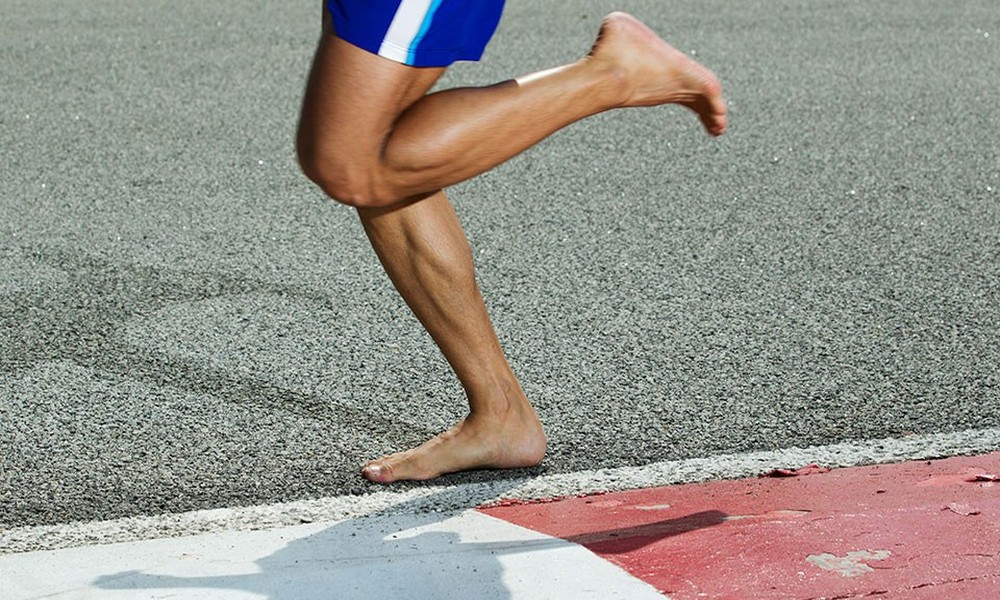
Barefoot shoes have entered the conversation as an alternative. They are designed to mimic the feeling of walking without shoes while still offering basic protection from the ground. This approach encourages the foot to move more naturally, rather than being guided or restricted by thick soles and arch support.
The appeal is not just about comfort. Many people are drawn to the idea of strengthening their feet and improving posture. It feels like getting back to something more natural, even if it takes a bit of adjustment.
What Makes Barefoot Shoes Different
At first glance, barefoot shoes can look surprisingly simple. They usually have thin soles, minimal cushioning, and a wide toe box that allows the toes to spread out. This design gives your feet more freedom to move the way they are meant to.
The lack of elevation between heel and toe is another key feature. Traditional shoes often have a raised heel, which can subtly shift posture and walking mechanics. Barefoot shoes keep the foot level, which encourages a more balanced stance.
These differences may sound small, but they can have a noticeable impact. Walking and running feel different, and your body needs time to adjust. That adjustment period is where many people either succeed or give up.
Understanding What Happens to Your Body
Switching footwear is not just about changing shoes, it is about changing how your body moves. Your muscles, tendons, and even your joints respond to the new demands placed on them. This is why the transition needs to be gradual.
When you start wearing barefoot shoes, your feet begin to take on more responsibility. Muscles that may have been underused start working harder. This can lead to soreness at first, which is a normal part of the adaptation process.
Your walking pattern may also change. Many people naturally shift toward a softer landing and shorter steps. These adjustments help reduce impact and make movement feel more controlled.
Common Sensations During the Adjustment Period
It is normal to notice new sensations when making the switch. You might feel more aware of the ground beneath you, which can be both interesting and slightly uncomfortable at first. This heightened awareness is part of what makes barefoot shoes unique.
Muscle soreness is another common experience. The arches, calves, and even the ankles may feel more engaged than usual. This is a sign that your body is adapting, not necessarily a sign that something is wrong.
That said, there is a difference between discomfort and pain. Sharp or persistent pain should not be ignored. Paying attention to your body is one of the most important parts of the process.
Starting Slow and Building Gradually
One of the biggest mistakes people make is moving too quickly. It is tempting to switch to barefoot shoes full time right away, especially if they feel comfortable at first. However, your body needs time to build strength and adjust to the new mechanics.
A gradual approach works best. Start by wearing barefoot shoes for short periods, such as during a walk or while running errands. Over time, you can slowly increase how long you wear them each day.
This step-by-step method reduces the risk of injury. It allows your muscles and connective tissues to adapt without being overwhelmed. Patience here pays off in the long run.
Creating a Simple Transition Plan
If you are unsure how to transition to barefoot shoes, think in terms of weeks rather than days. Begin with short sessions, perhaps 20 to 30 minutes at a time. Pay attention to how your body feels afterward.
As you become more comfortable, gradually extend the duration. You might add another 10 to 15 minutes every few days, depending on your comfort level. There is no strict timeline, and that flexibility is important.
It also helps to alternate between your regular shoes and barefoot shoes. This gives your feet time to recover while still making progress. Over time, the balance will naturally shift toward the new footwear.
Strengthening Your Feet Along the Way
Transitioning is not just about wearing different shoes. It is also an opportunity to actively strengthen your feet and lower legs. Simple exercises can make the process smoother and more effective.
Foot strength plays a bigger role in movement than many people realize. Stronger feet can improve balance, stability, and overall comfort. This makes the transition feel more natural over time.
Incorporating exercises into your routine does not have to be complicated. Even a few minutes a day can make a noticeable difference. The key is consistency rather than intensity.
Exercises That Support the Transition
One useful exercise is toe spreading. Simply practice spreading your toes apart and holding the position for a few seconds. This helps improve control and flexibility in the foot.
Another option is calf raises. Standing on both feet, slowly lift your heels off the ground and lower them back down. This strengthens the calves, which play a big role in supporting your stride.
You can also try balancing on one foot. This engages stabilizing muscles and improves coordination. These small exercises add up and support your overall progress.
Avoiding Common Pitfalls
Even with the best intentions, it is easy to run into challenges. One of the most common issues is doing too much too soon. This often leads to soreness that goes beyond normal adaptation.
Another mistake is ignoring technique. Barefoot shoes encourage a different way of moving, but they do not automatically fix habits. Paying attention to posture and stride can make a big difference.
Footwear choice also matters. Not all barefoot shoes are the same, and finding a pair that fits well is important. A poor fit can create discomfort and slow your progress.
Listening to Your Body and Adjusting
Your body provides valuable feedback throughout the transition. Learning to interpret that feedback can help you avoid setbacks. Mild soreness is normal, but ongoing pain is a signal to slow down.
Rest is an important part of the process. Taking a break does not mean you are losing progress. It allows your body to recover and come back stronger.
Adjustments are part of the journey. You might need to tweak your routine, try different exercises, or change how often you wear your shoes. Being flexible helps you stay on track.
Long-Term Benefits and What to Expect
With time and consistency, many people notice positive changes. Feet often feel stronger and more responsive. Walking and running can become more efficient and comfortable.
Posture may also improve. Standing and moving with a more natural alignment can reduce strain on other parts of the body. These changes tend to develop gradually rather than all at once.
It is important to keep expectations realistic. Barefoot shoes are not a quick fix or a solution for every issue. They are simply a different approach that works well for some people.
Making Barefoot Shoes Part of Your Lifestyle
For those who stick with it, barefoot shoes often become a regular part of daily life. They can be used for walking, casual wear, and even certain types of exercise. The versatility makes them easy to incorporate.
Over time, the transition stops feeling like a process. It becomes the new normal. Your body adapts, and the movements that once felt unusual start to feel natural.
The key is staying patient and consistent. Learning how to transition to barefoot shoes is not about speed, it is about building a solid foundation. With the right approach, the journey can be both rewarding and sustainable.