
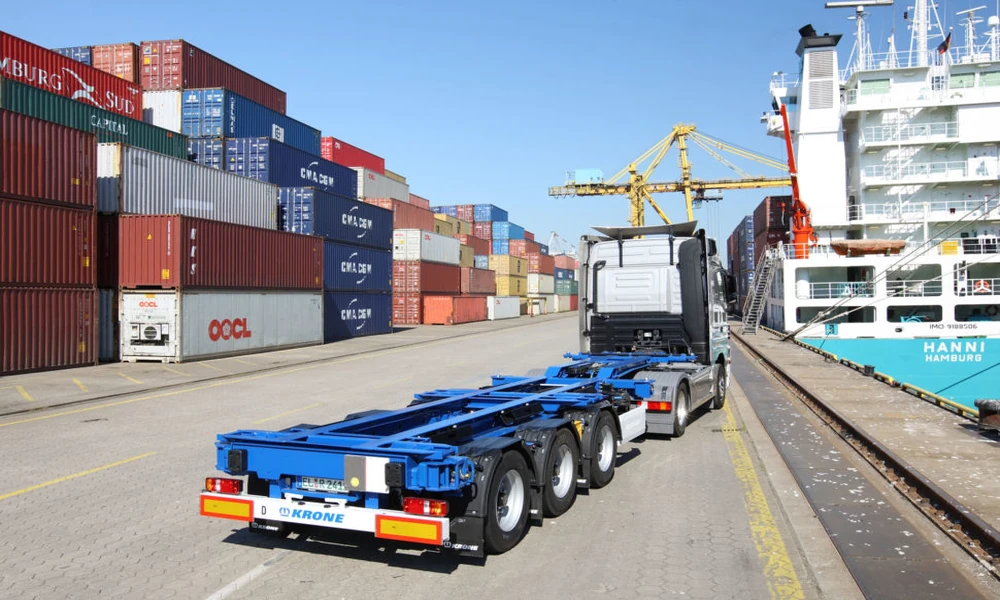
Transportation companies face many decisions when managing equipment costs, and one of the most important is whether to purchase chassis outright or rely on chassis leasing. The right choice depends on factors such as freight volume, operational flexibility, maintenance responsibilities, and long-term financial goals.
Understanding the benefits and limitations of each approach can help businesses make smarter investments while keeping freight moving efficiently.
Why Chassis Selection Matters
A chassis serves as the foundation for moving shipping containers between ports, rail terminals, warehouses, and distribution centers. Without the right equipment, even well-planned logistics operations can experience delays and increased costs.
Container size is an important consideration when selecting equipment. For example, a 40-foot container chassis is specifically designed to transport standard 40-foot containers, which are among the most commonly used units in international trade. Having access to the correct chassis ensures containers can be transported safely while maximizing operational efficiency.
As shipping demands fluctuate throughout the year, businesses must decide whether owning these assets or leasing them provides the greatest value.
The Advantages of Purchasing a Chassis
Owning equipment offers a level of control that many fleet operators find appealing. Once a chassis is purchased, it becomes a long-term asset that can be used whenever needed without recurring rental expenses.
For companies that consistently move containerized freight, investing in a 40ft chassis may be more cost-effective over time. Ownership can provide predictable equipment availability, reducing the risk of shortages during busy shipping periods.
Businesses that purchase their own chassis also have greater flexibility when it comes to maintenance schedules, equipment upgrades, and fleet management strategies. However, ownership requires a larger upfront investment and ongoing maintenance costs that must be factored into the overall budget.
The Benefits of Chassis Leasing
Not every company needs a dedicated fleet of chassis. For businesses with seasonal demand or fluctuating freight volumes, chassis leasing can offer a more flexible solution.
Leasing allows companies to access equipment without making a significant capital investment. Instead of purchasing assets that may sit idle during slower periods, businesses can scale equipment usage according to current transportation needs.
Another advantage is that many leasing arrangements include maintenance support, helping reduce the administrative burden associated with fleet ownership. This can be especially beneficial for smaller logistics providers that want to focus on operations rather than equipment management.
How to Determine the Best Option
The decision between ownership and leasing ultimately comes down to operational requirements and financial priorities. Companies with steady shipping volumes and long-term growth plans may benefit from purchasing chassis as a strategic investment.
On the other hand, organizations that value flexibility or experience changing freight demands may find leasing to be the more practical choice. Evaluating shipment frequency, equipment utilization rates, maintenance capabilities, and available capital can help determine which approach delivers the strongest return.
Finding the Right Balance
There is no universal solution when it comes to fleet management. Some logistics providers own a core group of chassis while using leasing agreements to handle temporary increases in demand. This hybrid approach allows businesses to maintain equipment availability while preserving operational flexibility.
Whether investing in a 40-foot container chassis or exploring chassis leasing options, choosing a strategy that aligns with business objectives can help improve efficiency, control costs, and support long-term growth.