
Key Takeaways
In San Diego, the medical community is positioned perfectly for plasma donation, with a growing demand for plasma in various treatments and therapies.
Each time someone donates plasma, they contribute to enhancing local healthcare services, which in turn benefits the entire community by alleviating shortages and increasing treatment options.
Moreover, plasma donations can lead to an improvement in the donor’s immune system, ultimately fostering better overall health and less frequent illness.
Interestingly, many donors report feeling uplifted after giving plasma, a result of feel-good hormones released during the donation process.
Additionally, those who regularly donate plasma may experience health benefits, such as improved cardiovascular wellness, specifically lower blood pressure and cholesterol levels.
For potential donors in San Diego, the financial benefits are also notable; compensation typically ranges from $20 to $70 per visit, transforming their generosity into tangible rewards.
Most donation centers have compensation structures that offer increasing payouts to frequent donors, emphasizing their valuable time and contributions.
Why San Diego Is the Ideal Place for Plasma Donation
The Local Demand for Plasma: A Life-Saving Resource
San Diego’s distinctive medical framework makes it an optimal site for plasma donation. With numerous hospitals, research facilities, and biotech companies dotting the area, the reliance on plasma as a critical element in various treatments and therapies is significant. What’s crucial to note is that the demand for plasma continues to climb. It’s instrumental in treating conditions like hemophilia and diverse immune deficiencies.
The local healthcare network thrives on these donations. Hospitals across San Diego often find themselves in need of plasma for procedures that countless patients rely on. Research underscores the vital importance of this resource, as consistent plasma donations are essential for ensuring that local medical facilities can sustain adequate supplies. Each donation matters. It transcends aiding just one individual; it can change the trajectory of numerous lives.
Community Impact: How Your Donation Makes a Difference
At first glance, donating plasma might appear to be a straightforward deed. But when one delves deeper, the impact is both profound and intricate. Donors play a direct role in enhancing the health and well-being of their community. Each donation not only supports healthcare capabilities but also embodies a means of helping neighbors and families. The ripple effects of plasma donations manifest in fewer shortages and a higher availability of treatments.
Moreover, donating plasma fosters a sense of community among residents. As individuals grasp the critical part they play, pride often emerges among donors. They’re not merely giving plasma; they’re offering hope to patients in dire situations. Just think of the families that stand to gain from these life-saving treatments. Each donor becomes a vital link, connecting those in need with the essential resources upon which they depend.
The Key Health Benefits of Donating Plasma
Boosting Your Immune System: The Science Behind It
Scientific research demonstrates that donating plasma can enhance immune function. While it may seem counterintuitive, the act of donating actually stimulates the body to repopulate its plasma reserves, which kickstarts an immune response. As new plasma cells are produced, the immune system gets engaged, promoting overall well-being. A robust immune system is integral for warding off illnesses.
So, what’s in it for regular donors? They often find themselves falling ill less frequently. By maintaining the body’s peak condition through plasma donations, not only are lives saved, but donors also fortify their own defenses against various pathogens.
Understanding the Medical Benefits: More Than Just a Donation
When individuals opt to donate plasma, the act extends beyond merely providing a crucial substance; it also brings unexpected benefits for the donors themselves. Many report a feeling of well-being post-donation, thanks to biochemical changes that can markedly elevate mood. Those feel-good hormones aren’t mere fiction; they’re real biological responses.
Furthermore, studies indicate that routine plasma donors often enjoy better cardiovascular health. Regular donations can lead to lower blood pressure and reduced cholesterol levels. This paints a fascinating picture: adopting a donation routine can cultivate improved health for both the recipients and the donors alike.
- Community support through increased donations.
- Healthier immune systems leading to less illness.
- Positive mood changes associated with the act of giving.
What to Expect During the Plasma Donation Process
A Step-by-Step Guide: From Arrival to Donation
Walking into a donation center for the first time can feel a bit overwhelming. However, knowing what to expect eases the nerves. The process is designed to be smooth and efficient. Upon arrival, professional staff members will guide donors through the registration process, which typically requires completing a health history questionnaire and undergoing a brief physical exam.
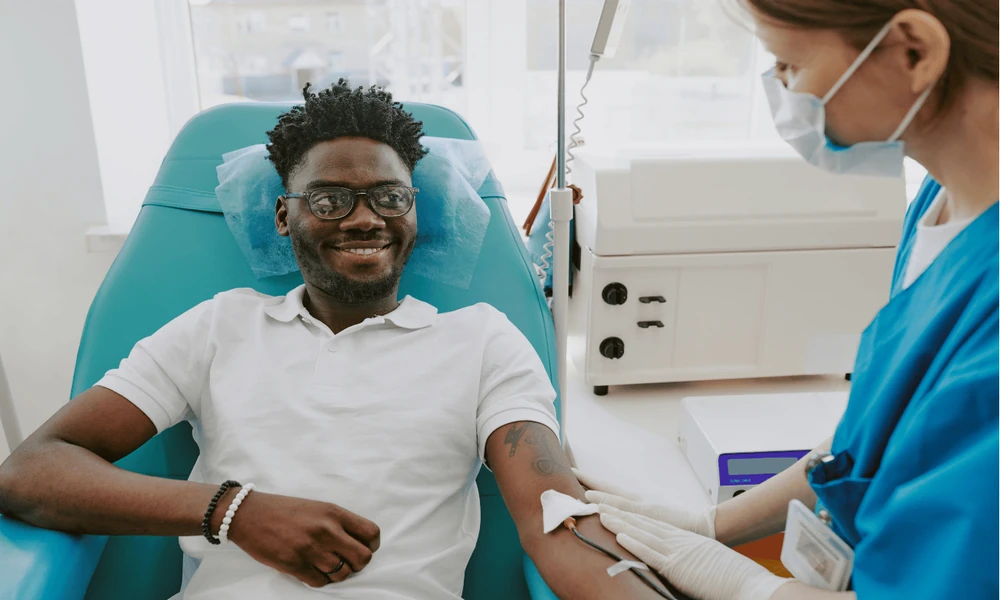
Once cleared to donate, donors will settle into a comfortable chair, similar to those used for blood donation. Blood is drawn through a needle, while the plasma is separated from the blood cells using a technique called plasmapheresis. Altogether, the whole procedure might take about 1 to 2 hours. Here’s the step-by-step breakdown:
- Check-in and registration.
- Health history assessment.
- Physical examination (vital signs).
- Plasmapheresis procedure.
- Post-donation monitoring and refreshment.
After the donation, refreshments are provided to ensure donors feel re-energized and prepared to resume their daily activities. Most individuals leave feeling accomplished and invigorated, ready to face whatever comes next.
Addressing Common Concerns: Preparation and Recovery
Many might ask: What’s the best way to prepare for a plasma donation? Fortunately, it’s fairly simple. Staying hydrated is paramount. Donors should drink ample fluids in the days leading up to their appointment. Eating a nutritious meal on the day of donation also plays a crucial role, helping stabilize blood sugar levels and assisting recovery afterward.
Recovery usually occurs swiftly; most people feel revitalized after donating. However, it’s always smart to tune into one’s body. If lightheadedness occurs, resting and replenishing fluids typically resolves the issue quickly. On rare occasions, minor bruising might develop at the needle site, but this usually resolves rapidly.
Ultimately, donating plasma represents more than just a medical procedure – it’s an experience that invigorates both the body and spirit. The thrill of contributing to the well-being of others makes it all worth it.
The Financial Incentives of Plasma Donating in San Diego
Monetary Rewards: What Donors Can Expect to Earn
A surprising element for many potential donors is the monetary compensation tied to donating plasma. In San Diego, a range of donation centers provide financial incentives. Donors can expect to earn between $20 to $70 per visit, depending on factors such as how frequently they donate and the specific location of the center.
These rewards acknowledge the donor’s time and valuable contributions. Regular donors can see a noticeable boost in their monthly income. It’s an excellent opportunity to transform an act of kindness into financial gain with minimal effort.
Consider this: the more often one donates, the greater the potential earnings. Many donation centers facilitate donations up to twice weekly, leading to a significant financial boost over time. For students or gig workers, that can bring immense relief.
Understanding Compensation Models: The Value of Your Time
Besides the monetary aspects, it’s important to grasp how compensation models function. Many centers adopt tiered payment structures. New donors might earn less initially, but as they continue donating regularly, their payments increase. This model not only encourages frequent donations but also nurtures lasting relationships between donors and donation centers.
These payments reflect the clinic’s acknowledgment of the donors’ time and effort. Donors give up hours to contribute to life-saving resources. The arrangement is advantageous for everyone: donors receive compensation while also supporting a noble cause.
This kind of experience can truly alter one’s perspective on the value of hard work. Life feels richer when individuals recognize the significance of both their time and actions. Pair that with the warm glow of helping others, and fulfillment is nearly guaranteed.
“Donating plasma transforms lives – not just those of the recipients, but also the givers.”
Those interested in donating plasma in San Diego can expect a gratifying experience. The act of giving comes with personal health gains and financial benefits. San Diego isn’t just a beautiful locale; it also serves as a vibrant center for altruism and community connection.
FAQ
How often can someone donate plasma in San Diego?
In San Diego, it’s common for donors to give plasma up to twice a week. However, it’s essential to check specific guidelines at the donation center, as these may differ. Each center should provide tailored regulations for their operations.
What types of treatments rely on donated plasma?
Donated plasma plays a crucial role in a variety of treatments, including those for hemophilia, immune disorders, and trauma care. The life-saving qualities of plasma are vital for patients undergoing surgical procedures and those dealing with significant blood volume loss.
Are there age or health restrictions for plasma donors?
Indeed, most donation centers set a minimum age of 18, along with mandating that donors maintain generally good health. Additionally, specific weight requirements apply. Each center carries out health assessments to confirm donor eligibility.
How does the plasmapheresis process work?
During plasmapheresis, blood is drawn from the donor and routed through a machine that effectively separates plasma from other blood components. Collected plasma is stored, while red blood cells and platelets are returned to the donor. The process is efficient and designed to ensure minimal discomfort.
What measures are in place to ensure donor safety during the process?
Donation centers adhere to strict health and safety protocols aimed at safeguarding donors. This includes the use of sterile equipment, constant monitoring of vital signs, and ensuring adequate hydration. Trained staff are prepared to manage any adverse reactions promptly, guaranteeing a safe experience.
Can donating plasma affect athletic performance?
Typically, donating plasma does not significantly impede athletic performance. Many athletes find that their bodies recover rapidly post-donation, particularly with proper hydration and nutrition. It’s advised to wait 24 hours before engaging in strenuous activities, just to be on the safe side.
What happens to the plasma after it is donated?
After donation, plasma undergoes processing and testing to confirm safety and quality. Subsequently, it may be utilized for therapeutic treatments or further processed into clotting factors for hemophilia patients. This essential resource is crucial for saving lives.
Are there any long-term health benefits of regular plasma donation?
Many donors notice improvements in their health metrics over time, such as lowered blood pressure and enhanced immune function. Regular plasma donation encourages the body’s natural capacity to produce new plasma cells, contributing to overall wellness while simultaneously aiding others.